
Property Care, Built for Panama
Panama's climate and building stock create maintenance needs that don't show up in a typical property management playbook: humidity and mold risk, tropical storm wear, salt air near the coast, and a rental market — especially Airbnb — that runs on same-day turnovers. Sauber's team works inside that reality every day.
active service areas
Service Area
Panama City doesn't have one real estate story — it has half a dozen, often just minutes apart, and each one asks something different from the team that keeps its properties running. A colonial-era building in Casco Viejo and a glass tower on Ocean Reef Islands might be a fifteen-minute drive apart and belong to two completely different maintenance worlds. Knowing that difference — not just the address — is most of what "local" actually means in this business.
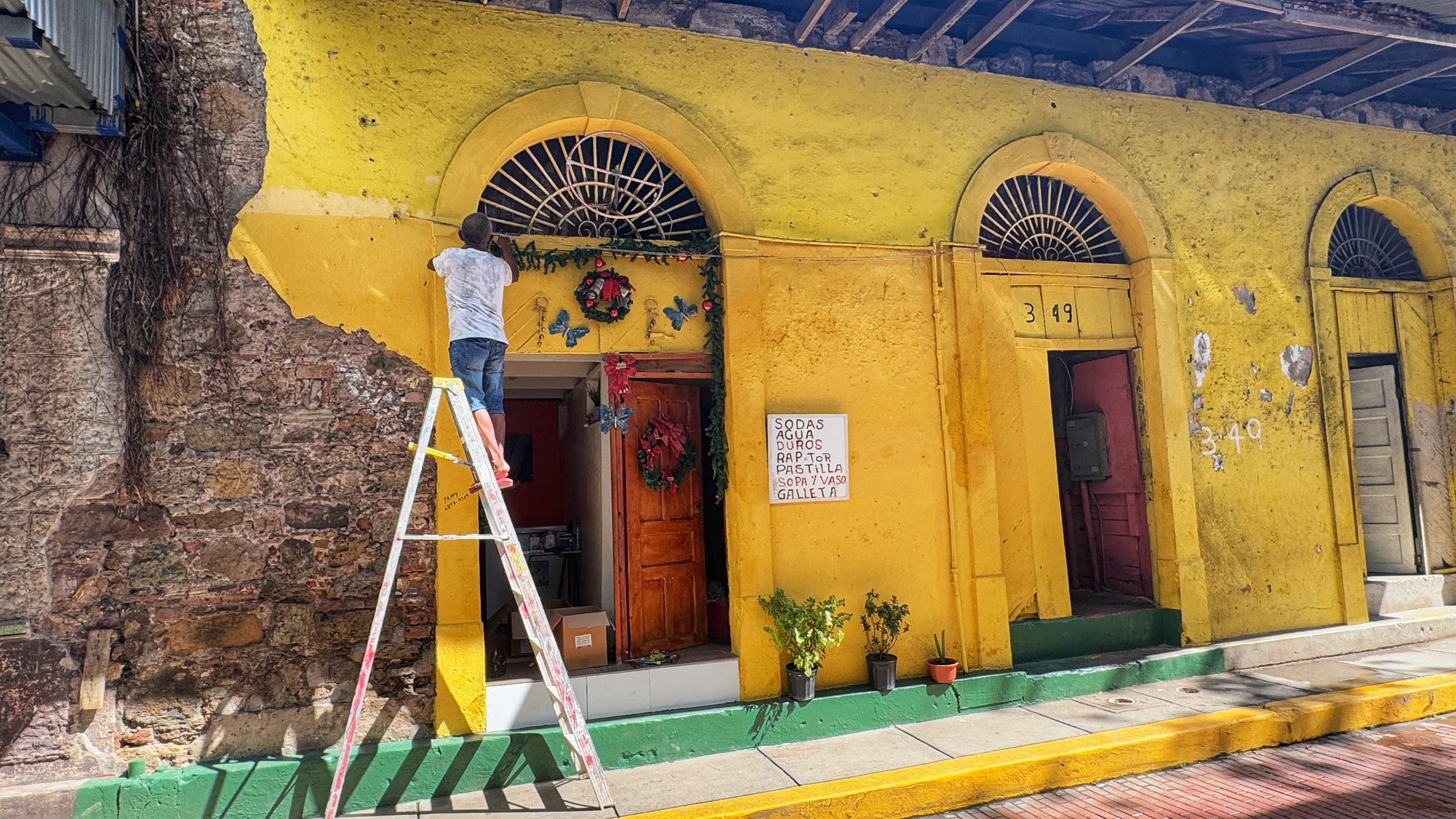
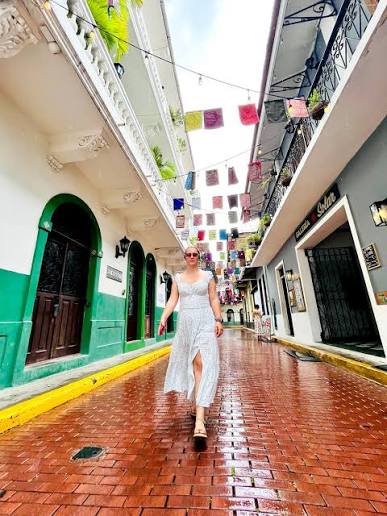
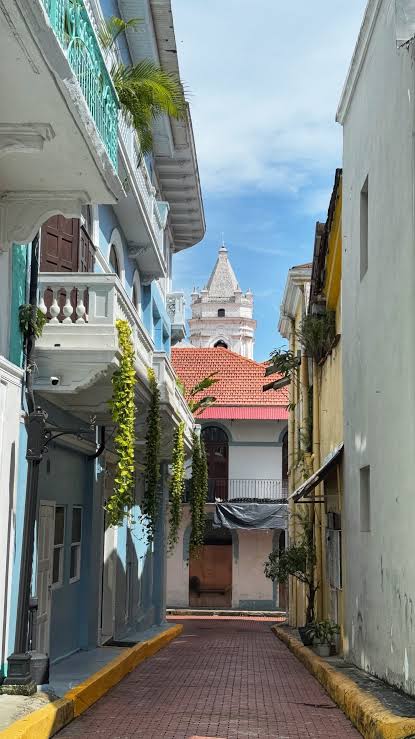
Casco Viejo
The city's original heart, and now its most protected one. Casco Viejo was declared a UNESCO World Heritage Site in 1997, and the two decades since have turned a once-neglected historic quarter into Panama City's most restored and closely watched neighborhood — boutique hotels, restaurants, and residences built inside centuries-old façades, many of them under real preservation requirements. Working here means understanding old materials, moisture behavior in original masonry, and the fact that a "quick fix" isn't always an option a building's history allows.
El Cangrejo
Central, walkable, and dense — El Cangrejo sits close to Vía España and the city's banking corridor, with a mix of apartments, hotels, and long-running restaurants that give it a lived-in, always-occupied character. Properties here turn over often and get used hard, which makes consistent recurring service, not occasional attention, the thing that actually keeps units rentable.
San Francisco
One of the city's most family-oriented residential districts, anchored by Multiplaza and a short reach from the Cinta Costera. A genuine mix of long-term residents and rental units, which means a service team here needs to be equally comfortable with a standing weekly clean and a same-day rental turnover.
Costa del Este
Built largely on reclaimed land and planned from the ground up as a modern business and residential district, Costa del Este is one of the newer faces of Panama City — glass office towers, planned green spaces, and residential high-rises that lean corporate and international. Buildings here tend to have professional administration and higher expectations around documentation, scheduling, and vendor coordination, not just the clean itself.
Santa Maria
A gated, master-planned community built around the Santa Maria Golf & Country Club — the kind of neighborhood people choose specifically for the quiet and the grounds. Maintenance expectations here run higher than average: manicured landscaping, spotless common areas, and a resident base that notices immediately when either one slips.
Punta Paitilla
The original upscale peninsula neighborhood, established well before Punta Pacifica's newer towers went up, with its own marina and some of the city's longest-standing luxury addresses. Many buildings here are older than their Punta Pacifica neighbors, which means more legacy building systems — elevators, plumbing, electrical — that need a maintenance partner who knows their quirks, not just a cleaner.
Punta Pacifica
A waterfront peninsula that's become one of the city's most recognizable luxury skylines, home to some of Panama's tallest residential towers and its major private hospital campus. A large share of Punta Pacifica's units are short-term rentals or seasonal homes, which puts it squarely in the same-day-turnover, hotel-standard category of work.
Ocean Reef Islands
One of the more remarkable developments in the city, literally — Ocean Reef sits on two man-made islands off the coast of Punta Pacifica, connected by causeway, with its own marina and a private, ultra-low-density feel that's unusual for anywhere this close to downtown. Properties here are new, high-spec, and held to a standard that matches the price point; this is where discretion and precision matter as much as the clean itself.
Coco del Mar
An established, mid-to-upper residential neighborhood just inland from San Francisco — quieter, more houses and low-rise buildings than towers, and popular with long-term family residents rather than short-term turnover. The work here tends to be steady and recurring rather than high-frequency, but no less exacting for it.
coming soon
Albrook
Once Albrook Air Force Station, a U.S. military installation, Albrook today is best known for Albrook Mall, the domestic airport, and the city's main bus terminal — but the surrounding area, much of it former base housing and land, continues to convert into residential and mixed-use development. It's central, well-connected, and still comparatively affordable for what it offers.
Ciudad del Saber
Formerly Fort Clayton, a U.S. Army headquarters, the site was handed over in 1999 and rebuilt as Ciudad del Saber — City of Knowledge — now home to UNICEF's regional office, the UN Development Programme, international universities, and a growing cluster of tech and research organizations. New residential development around it is following the same trajectory Costa del Este took a generation ago: a former restricted zone turning into one of the city's more international, education-and-innovation-anchored addresses.
Panama Pacífico
The site of the former Howard Air Force Base, redeveloped since 2007 as Panama Pacífico — a 1,400-hectare special economic zone with its own airport, more than 300 companies operating on-site (including several Fortune 500 names), and a master-planned residential community built around a town center still under construction. It's a genuinely different way of living: gated, green, close to the water, and increasingly popular with expat families drawn to the schools and the space — a serious growth market for anyone positioned to serve it well before it's fully built out.
Tucán
Across the water from the city, Tucán Country Club & Resort is built around an 18-hole golf course with views back across the Canal to the Panama City skyline — a genuinely different setting from anything on the city side, and still early in its growth curve. It's the kind of area worth watching now, before it becomes the next Santa Maria.
Where Panama City is Growing Next
Some of the most interesting work isn't in the established neighborhoods — it's in the areas being built right now, which is exactly why it's worth knowing well before everyone else does.
Climate-Aware Maintenance
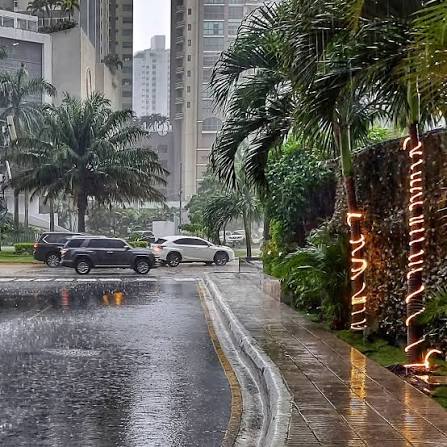
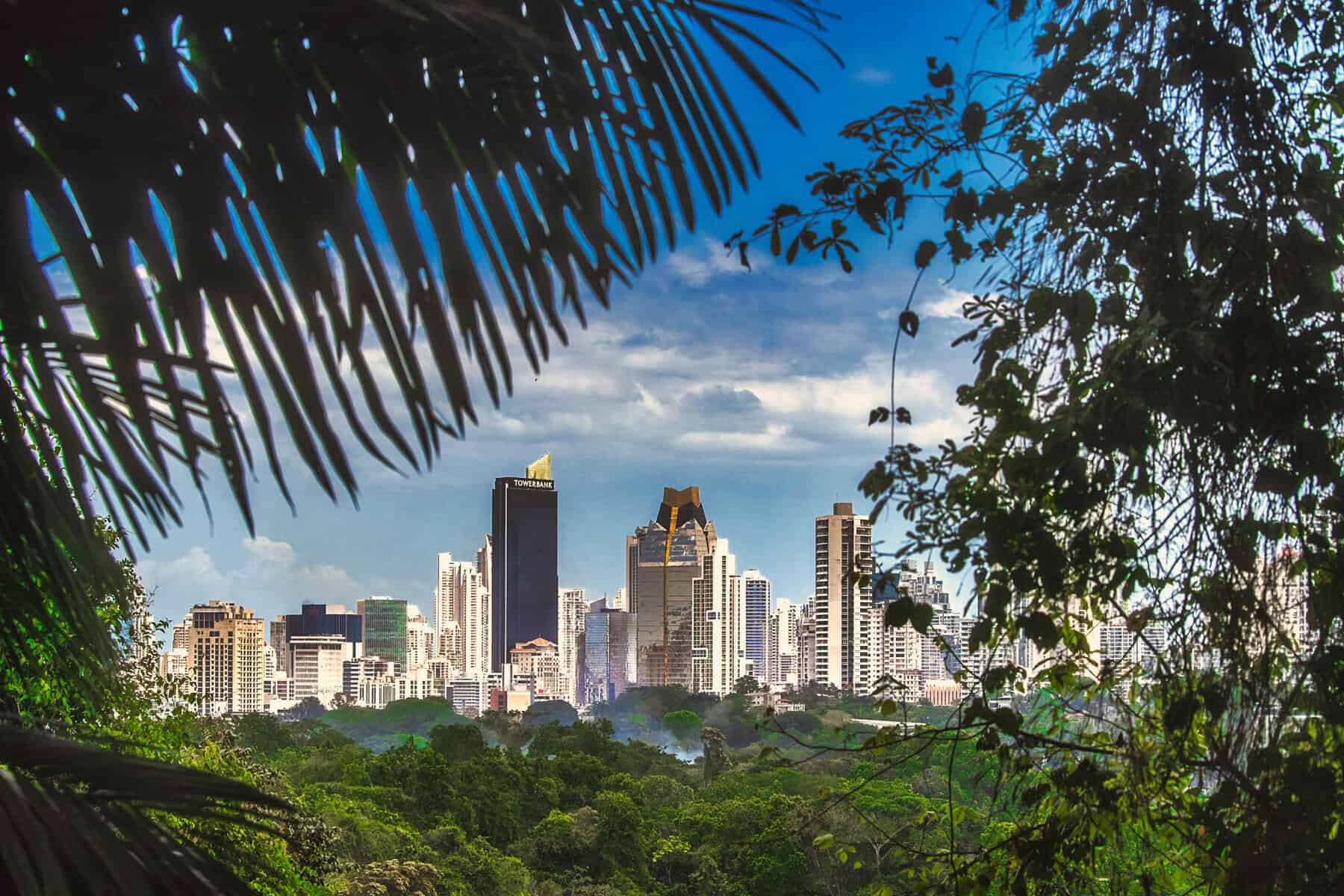
Panama Runs on Two Seasons, and Each one Asks Something Different of a Property
Dry season (roughly mid-December to mid-April) puts stress on AC systems working at their hardest, fades and dries out exterior wood and furniture, and can bring lower water pressure in some areas. Rainy season (roughly mid-April to December) is when humidity and mold risk climb fast, storm drains and gutters need to actually be clear before the rain arrives rather than after, and any small roof or seal issue turns into a real leak.
We build our maintenance visits around that calendar rather than treating Panama like it has one climate year-round — humidity-resistant cleaning products in the wetter months, AC servicing scheduled ahead of peak heat, and drainage checks before storm season rather than during it.
The Local Rental Market
Panama City's short-term rental and expat housing market has grown fast, and it runs on a different rhythm than traditional long-term renting. Guests booking a short stay expect a hotel-level standard, same-day turnovers are the norm rather than the exception, and a single bad turnover shows up publicly as a review — not privately as a tenant complaint.
That reality shaped how we built our Airbnb and rental turnover process: standardized checklists instead of a general clean, fast-turnaround scheduling, and condition reporting between every stay. It's a different job than cleaning a long-term home, and we staff and train for it as one.
Working With Local Vendors
Most property issues eventually need a specialist — an electrician, a plumber, an AC technician, a pool tech. We maintain a network of vetted local contractors so owners and hosts don't have to manage those relationships individually.
Our vetting includes:
- Verified licensing and insurance where applicable
- Reference checks and a track record of reliable work
- A trial job before we bring a vendor into the regular network
- Ongoing performance review — vendors who don't hold the standard don't stay in the network